Posted on 05/10/2026
Hyde Park Wedding Flowers Specialist Serving Bayswater
If you are searching for a Hyde Park wedding flowers specialist serving Bayswater, you are probably after more than pretty stems in a vase. You want flowers that feel right for the venue, the season, the budget, and the pace of a London wedding day. You want arrangements that hold up in real life too - in a cab, in a church, in a hotel lobby, on a warm afternoon, then still looking lovely when the photos are being taken. That is the job.
This guide walks through how specialist wedding floristry works in and around Hyde Park and Bayswater, what to expect, how to plan well, what to avoid, and how to make good decisions without getting overwhelmed. It is practical, local, and written for couples who want the flowers to feel personal rather than formulaic. Because let's face it, no one wants a wedding that looks like it was assembled from a tired template on a rainy Tuesday.
Why Hyde Park wedding flowers specialist serving Bayswater Matters
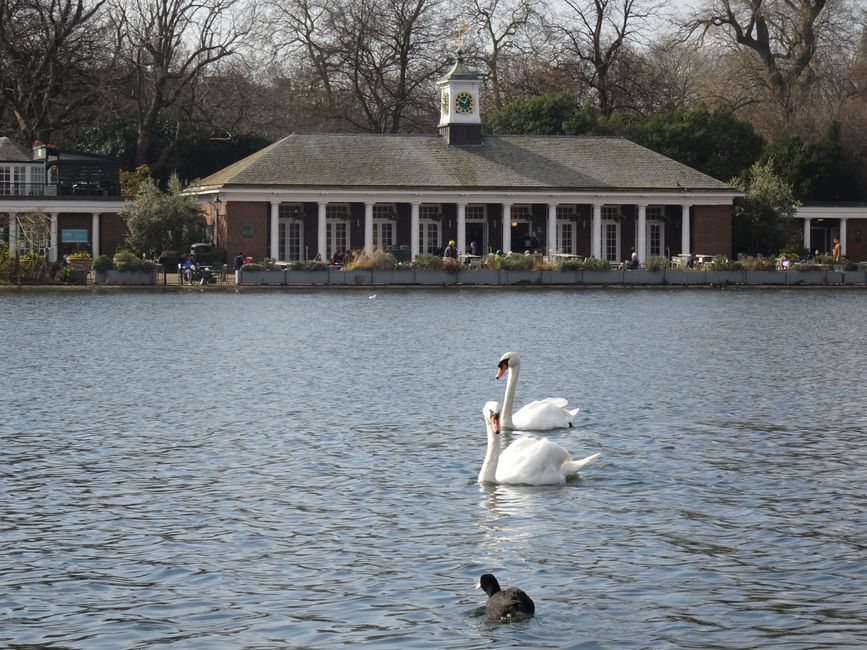
Weddings around Hyde Park and Bayswater tend to have a particular feel: elegant, busy, polished, and often time-sensitive. That matters because floral design is not only about colour and shape. It is about logistics, timing, and making sure the flowers suit the space you are using. A specialist who understands the area is usually better placed to think about loading access, delivery windows, hotel handovers, and how flowers behave during a moving day across central London.
Hyde Park itself gives you a different visual language from a smaller local venue. You may be planning portraits near the park, a reception nearby, or a ceremony where guests move between spaces. In those situations, bridal bouquets, buttonholes, ceremony flowers, table arrangements, and any extra pieces need to work together. One oversized arrangement can dominate a room; one too-small bouquet can disappear in photos. The balance matters.
Serving Bayswater also brings a local practicality. Bayswater weddings often involve hotels, townhouses, or venues with tight schedules and limited setup space. A florist who has thought through those constraints can save you stress. And stress is already doing enough harm on wedding mornings, to be fair.
There is also the question of style. Not every couple wants the same look. Some want a clean white palette with lilies, roses, and orchid notes. Others want soft romantic garden flowers, or a bolder mix with seasonal colour. A specialist can help you choose the right scale and texture so the flowers feel intentional rather than crowded.
Expert summary: The biggest advantage of a local wedding flowers specialist is not just design skill. It is the combination of design, timing, venue awareness, and sensible planning that makes the flowers look effortless on the day.
How Hyde Park wedding flowers specialist serving Bayswater Works
The process usually starts with a conversation about the wedding itself. The florist will want to know the date, venue, guest count, colour palette, dress style, and whether you need only a bouquet or a complete floral setup. That first conversation is where a good specialist starts turning vague ideas into something real. "Spring garden feel" is useful as a mood. It is not yet a plan.
From there, the florist will normally talk through the flower types that suit the season and the structure of the day. If you want the bouquet to feel airy and romantic, you might lean toward roses, lisianthus, orchids, or mixed blooms with softer movement. If you want more classic formality, white roses, lilies, and carefully arranged centrepieces may suit better. If the wedding is large, the specialist may suggest repeating key ingredients across bouquets, buttonholes, ceremony pieces, and tables to create harmony.
Then comes the practical part: quantities, timings, delivery, and installation. In a central London setting, this is not the bit to leave vague. Someone has to decide when the flowers are prepared, how they are transported, who receives them, and where they are placed. That handover can be simple, but only if it has been thought through. A florist who knows Bayswater and Hyde Park will usually have a better sense of what needs to happen when.
In a typical wedding setup, the flowers may include:
- Bridal bouquet with a shape that suits the dress and the holder's height
- Bridesmaid bouquets designed to complement rather than compete
- Buttonholes and corsages for the wedding party and close family
- Ceremony flowers for the altar, registrar table, aisle, or entrance
- Table arrangements that work with the table size and guest flow
- Optional extras such as petals, gift flowers, or reception accents
Good specialists also explain what is realistic. Some flowers are delicate and need more care. Some arrangements look wonderful but are not suited to long travel or hot rooms. Others are sturdy but less sculptural. The point is not to say yes to everything. The point is to choose well.
Key Benefits and Practical Advantages
The obvious benefit is beautiful flowers, of course. But the real value of a specialist is broader than that. You are buying judgement. That sounds a bit grand, but it is true. Judgement saves time, avoids mistakes, and helps the final result feel coherent.
Here are the main practical advantages:
- Local logistics knowledge: Easier coordination for deliveries, set-up, and venue access in and around Bayswater and Hyde Park.
- Styling that fits the space: Flowers are scaled to the room, not just to a mood board.
- Better flower selection: Seasonal choices tend to be fresher, more resilient, and often more visually convincing.
- Less last-minute pressure: Clear planning reduces the chance of day-of confusion.
- More consistent design: The bouquet, ceremony pieces, and table flowers can all feel like part of one story.
- Practical substitutions when needed: A specialist can adapt if a certain bloom is unavailable or not ideal for the weather.
There is another benefit that people underestimate: emotional steadiness. Wedding flowers are not the biggest line on the spreadsheet for every couple, but they are among the most visible details in the day. When the florist knows what they are doing, you feel it. You can breathe a little easier. That is worth something.
For couples who want a polished local service, it can also help to work with a florist who offers a broader range of occasion flowers and delivery support. If you need to coordinate wedding flowers alongside thank-you bouquets or family flowers, pages such as wedding flowers in Bayswater, a Bayswater florist, and flower delivery in Bayswater can be useful places to start.
Who This Is For and When It Makes Sense
This service makes sense for couples who want more than a quick bouquet order. It is especially useful if your wedding involves multiple flower pieces, several locations, or a venue where timing matters. If your ceremony is in or near Hyde Park and your reception is in Bayswater, the coordination alone can justify using a specialist. Frankly, the fewer moving parts you juggle yourself, the better.
You may particularly benefit from specialist wedding floristry if you are:
- Planning a city wedding with limited setup time
- Looking for a cohesive floral look across the day
- Unsure which flowers will hold up best in the season
- Trying to blend classic London elegance with something personal
- Working with a venue that has practical restrictions or tight access
- Wanting bouquet, ceremony, and table flowers to match without feeling repetitive
It also makes sense if you are cost-conscious but still want quality. A good wedding flowers specialist can help you prioritise. Maybe you spend more on the bridal bouquet and ceremony flowers, then simplify the tables. Or maybe you go smaller on the bouquet and make the centrepieces do more of the visual work. There is no single right answer, and that is a relief.
If you are the kind of couple who likes a clear structure, it can help to explore the shop's broader wedding range too, including items like wedding collection options, bridal bouquets, bridesmaid bouquets, buttonholes, and table arrangements.
Step-by-Step Guidance
Here is a practical way to approach wedding flowers without spiralling into endless Pinterest tabs and second-guessing. Happily, you do not need to become a florist to make good choices.
- Start with the venue and date. Decide where flowers will actually be seen: ceremony room, reception tables, entrance, portraits, and any background for photos.
- Pick a mood before picking flowers. Romantic, clean, modern, lush, traditional, seasonal, dramatic - the mood guides the design.
- Choose a palette. White and green is timeless. Blush and ivory is soft. Mixed colours can be lively, but they need structure so they do not become random.
- Decide the priority pieces. Most couples start with the bridal bouquet and ceremony flowers, then add bridesmaid bouquets, buttonholes, and tables if the budget allows.
- Ask about seasonal options. Seasonal flowers generally give you better value and better performance. You do not always need the rarest bloom in the world.
- Check delivery and setup timing. In central London, timing is a real part of the design plan. Late arrival can throw the whole look off.
- Confirm the final handover. Who receives the flowers? Where are they placed? What happens if the couple are not on site yet?
- Review care instructions. The bouquet may need cool storage before the ceremony. Buttonholes need gentle handling. Table arrangements may need a top-up of water depending on style.
One small but important thing: bring images that show proportion, not just colour. A bouquet on a white background tells you very little about scale. A photo of the bouquet against a dress or carried outdoors is much more useful. Tiny detail, big difference.
Expert Tips for Better Results
After enough weddings, certain patterns become obvious. The couples who get the best flower results tend to do a few things well - nothing mysterious, just thoughtful planning.
First, let the venue guide the design. Hyde Park-adjacent weddings and Bayswater venues often benefit from flowers that feel refined rather than overworked. Large arrangements can be stunning, but only when the room has room for them. If the space is intimate, a lighter approach usually wins.
Second, choose one or two hero flowers and let the rest support them. A bouquet with too many competing stars can feel busy. Roses with lisianthus, or orchids with white blooms, often create a cleaner story than a dozen unrelated varieties all trying to say hello at once.
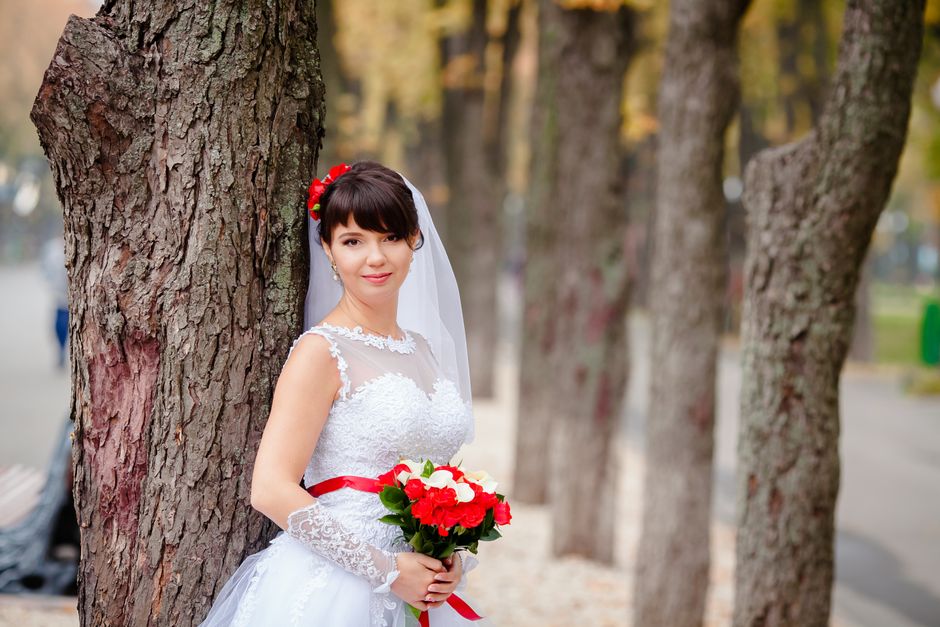
Third, think in photographs. Flowers live in the room, yes, but they also live in the pictures. A bouquet that looks soft from the aisle may disappear if it is too pale against the dress. A centrepiece that is gorgeous on the table may block faces in a wide shot. A specialist should think about both.
Fourth, budget where it counts. If you have to choose, put more weight behind the pieces that appear most often in the day: bridal bouquet, ceremony focal point, and top table. It is usually smarter than spreading the budget too thin.
Fifth, be honest about maintenance. Some flowers are more robust than others. If there is a long gap between delivery and ceremony, or if the day will involve travel and mingling, sturdy blooms can be a wiser choice. Nobody wants a limp bouquet by 4pm. Happens more often than people think, honestly.
When in doubt, ask the florist what they would do if it were their own wedding. That question tends to cut through the fluff.
Common Mistakes to Avoid
Wedding flowers are easy to overcomplicate. Here are the mistakes that most often cause disappointment, extra cost, or unnecessary stress.
- Ordering by flower name only. A flower can be beautiful in one setting and wrong in another. Context matters.
- Ignoring the venue scale. A bouquet or centrepiece that looks lovely in isolation may overpower a small room or disappear in a large hall.
- Leaving delivery details vague. "Just bring them in the morning" is not a plan. It is a hope.
- Forgetting about weather. A warm day, direct sun, or a long transfer can affect delicate blooms.
- Trying to match too many colours. Multiple accent shades can work, but only with discipline. Otherwise the result can feel scattered.
- Not accounting for family flowers. Buttonholes, corsages, and tribute pieces for close relatives can be easily forgotten until the last minute.
- Choosing style over practicality for everything. A dramatic arrangement is great, but not if it collapses before the speeches.
There is also a softer mistake: not giving your florist enough trust to do their job. You do not have to hand over the whole wedding to a stranger, obviously, but if you have chosen a specialist, let them advise you. That is what you are paying for.
Tools, Resources and Recommendations
You do not need a huge toolkit to plan wedding flowers well, but a few simple resources help a lot. A shared mood board, a note on your ceremony timing, and a clear list of key people who need flowers can prevent confusion later. Even a plain phone note is better than a vague memory after lunch.
Useful planning inputs include:
- Venue photographs showing ceremony and reception spaces
- Dress and suit references so the bouquet size feels balanced
- Colour samples for ribbons, bridesmaid dresses, table linen, or stationery
- Guest and family list for buttonholes and corsages
- Schedule outline so delivery and setup can be planned properly
For flower type inspiration and styling ideas, the shop's collection pages can be useful browsing points, especially luxury flowers, best sellers, roses, lilies, and wedding corsages. If you are comparing styles, these pages can help you recognise whether you prefer compact, airy, classic, or fuller arrangements.
Seasonal thinking is another very practical resource. Spring and summer weddings often allow for lighter, fresher styles. Autumn can support richer textures and deeper colour. Winter arrangements often look elegant in whites, greens, and deeper jewel tones. You do not need to force a summer look into a winter day just because it looked lovely on a feed somewhere. Seasons matter.
Law, Compliance, Standards, or Best Practice
Wedding floristry is not heavily regulated in the same way as some other services, but there are still sensible standards and best practices worth paying attention to. In the UK, good businesses should be clear about pricing, payment terms, delivery arrangements, cancellation rules, and what happens if the requested flowers are unavailable. That clarity is not a luxury. It is basic good practice.
If flowers are being delivered to hotels, churches, registry settings, or other venues in central London, venue access rules may also apply. These are usually operational rather than legal concerns, but they matter just as much. Ask about loading access, setup windows, and any restrictions on placing arrangements near entrances, walkways, or furniture. A beautiful arrangement is still a nuisance if it blocks a corridor.
From a best-practice perspective, ask your florist about:
- Freshness and conditioning of flowers before delivery
- Substitution policy if a variety is unavailable
- Delivery timing and handover process
- Storage advice before the ceremony
- Waste reduction or reuse options where appropriate
If your order includes payment online or delivery terms, it is sensible to read the florist's policies carefully. That includes general pages such as terms and conditions, payment information, delivery details, returns and refund policy, and guarantees. For environmentally conscious couples, sustainability information may also be worth a look.
Options, Methods, or Comparison Table
Different wedding flower approaches suit different couples. There is no universal winner. The best choice depends on budget, venue size, and how much visual impact you want. Here is a simple comparison to help you think it through.
| Approach | Best for | Strengths | Watch-outs |
|---|---|---|---|
| Minimal bouquet-led design | Smaller weddings, tighter budgets, simple ceremonies | Clean, elegant, easier to manage | May feel too sparse if the venue is large |
| Classic coordinated set | Most traditional weddings | Balanced across bouquet, buttonholes, and tables | Can become predictable if not styled carefully |
| Statement ceremony flowers | Photo-led weddings, dramatic entrances, focal spaces | Strong visual impact, memorable pictures | Needs careful budgeting and venue fit |
| Seasonal mixed-flower design | Couples who like texture and natural movement | Feels fresh, flexible, and less rigid | Requires a skilled eye to avoid visual clutter |
If you are not sure which route to choose, a wedding collection can provide a useful starting point. Pages such as SI Wedding Collection, Royal Essence Wedding Collection, Pure Romance Wedding Collection, and The Perfect Match Wedding Collection can help you compare overall style directions before narrowing things down.
Case Study or Real-World Example
Here is a realistic example. A couple plans a small London wedding with a ceremony near Hyde Park and an intimate reception in Bayswater. They want the day to feel elegant, not overdone. Their first instinct is to ask for lots of different flowers because they do not want it to look "too simple." Fair enough. Most couples worry about that.
After looking at the venue and the timing, the florist suggests a restrained palette of white and soft blush, with a focus on shape and texture rather than sheer quantity. The bride chooses a bouquet with roses and lighter companion flowers. The bridesmaids carry smaller matching bouquets. Buttonholes are kept clean and classic. Ceremony flowers are more structured, while the table arrangements are lower and more relaxed so guests can talk easily across them.
The result works because the flowers suit the day. They photograph well, move easily from one space to the next, and do not fight with the venue. Nothing feels accidental. Nothing shouts. And the couple still gets that lovely moment, just before heading out, where the room suddenly smells like fresh stems and a little excitement.
The key lesson? A good floral plan is not about having more. It is about having the right pieces in the right places.
Practical Checklist
Use this checklist to keep the planning simple and sensible. It is the sort of list that saves you from the "oh no, we forgot that" moment.
- Confirm wedding date, ceremony time, and venue details
- Share your bouquet style preference and colour palette
- List all required flowers: bridal, bridesmaid, buttonholes, corsages, tables, ceremony
- Check whether the venue has access restrictions or setup windows
- Ask which flowers are seasonal and best suited to the date
- Agree on budget priorities before finalising extras
- Request delivery and handover details in writing
- Confirm any substitution policy
- Ask how flowers should be stored before the ceremony
- Review order terms, payment details, and any cancellation rules
- Plan who will receive and place the flowers on the day
- Keep a backup contact number handy, just in case
Quick takeaway: if the venue, timing, and flower priorities are clear, the rest becomes much easier. That is usually where a specialist earns their keep.
Get a free quote today and see how much you can save.
Conclusion
A Hyde Park wedding flowers specialist serving Bayswater should do more than deliver blooms. They should help you make sensible decisions, respect the pace of the day, and create arrangements that feel like they truly belong in the space. That combination of style and practicality is what turns a nice floral order into a genuine part of the wedding experience.
If you are planning a ceremony or reception in this part of London, focus on the basics first: venue fit, timing, seasonal choices, and the flowers that will matter most in photos and in the room. From there, the rest usually falls into place more smoothly than you might expect.
And honestly, that is the nicest kind of planning: clear, calm, and just a little bit joyful.
Frequently Asked Questions
What does a Hyde Park wedding flowers specialist serving Bayswater actually do?
They design, prepare, and deliver wedding flowers tailored to the venue, schedule, and style of the day. That usually includes bridal bouquets, bridesmaid bouquets, buttonholes, ceremony flowers, and table arrangements, plus practical planning around delivery and setup.
Why should I choose a local specialist instead of ordering generic wedding flowers?
A local specialist is more likely to understand access, timing, and venue constraints in Bayswater and around Hyde Park. That usually leads to fewer surprises and a better fit for the actual space, not just the mood board.
How far in advance should I book wedding flowers?
As early as possible, especially for popular dates. Some couples book well ahead to secure their preferred style and timing. If your wedding is soon, it is still worth asking, but earlier gives you more choice and less pressure.
Can I keep the flowers simple and still have them look elegant?
Absolutely. Simple does not mean plain. Clean white roses, lilies, orchids, or a restrained seasonal mix can look very polished. A lot depends on scale, shape, and how the flowers relate to the venue.
What flowers work best for a wedding in Hyde Park or Bayswater?
That depends on the season, the weather, and the overall style. Roses, lilies, orchids, lisianthus, and seasonal mixed blooms are common choices because they can suit both classic and contemporary looks. The best option is usually the one that fits your day, not a trend.
How do I keep wedding flowers within budget?
Prioritise the most visible pieces first: the bridal bouquet, ceremony flowers, and the main reception focal points. Then simplify where possible. Seasonal flowers also tend to be a smarter use of budget than chasing hard-to-source varieties.
Do I need matching flowers for everyone in the wedding party?
No. A coordinated look often works better than a perfectly matched one. Bridesmaid bouquets, buttonholes, and corsages can complement the main flowers without being identical. In fact, that usually looks more natural.
What should I tell the florist at the first meeting?
Share the venue, date, ceremony time, guest count, colour palette, dress style, and any flower ideas you already like. It also helps to explain what you do not want. That is often just as useful.
What if some flowers are unavailable near my wedding date?
A good florist should offer sensible substitutions rather than forcing a poor match. Ask about this early so you know how flexible the design can be if a specific bloom is unavailable.
Are table arrangements necessary for a small wedding?
Not always. Small weddings can look beautiful with just a bouquet, a few ceremony flowers, and one or two thoughtful table pieces. The right amount depends on the room, the table shape, and how much decorative impact you want.
How do flowers survive a long wedding day in central London?
With careful conditioning, sensible flower selection, and good timing. Sturdy blooms usually hold up better than delicate ones, especially if there is travel, warm weather, or a long gap between delivery and the ceremony.
Can I combine wedding flowers with other floral gifts or occasion flowers?
Yes, and some couples do. You might add thank-you bouquets, family flowers, or a gift arrangement for the couple's room. If needed, the wider Bayswater flower range can help with that broader planning.